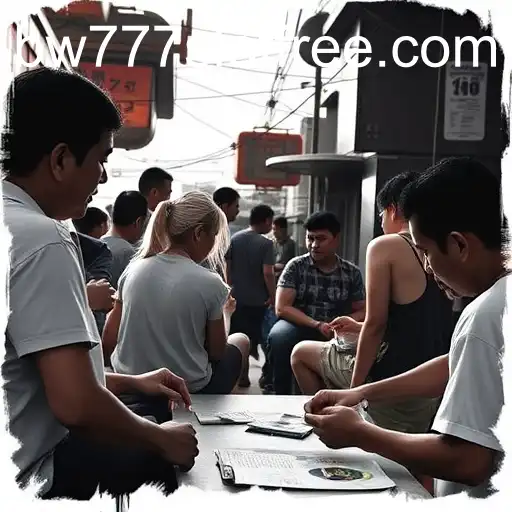
Understanding Jueteng: A Deep Dive into Illegal Gambling Practices
Jueteng is a widely known and long-standing illegal numbers game that has become embedded in the cultural fabric of the Philippines. Despite numerous efforts to eradicate it, Jueteng continues to thrive, largely due to its deep roots in society and the economic challenges faced by many citizens. In this article, we take a closer look at Jueteng, exploring its origins, its sociocultural impact, and the ongoing challenge of controlling this illicit activity.
The Origin and Mechanics of Jueteng
Jueteng is believed to have originated during the Spanish colonial period, evolving from similar lottery games. The mechanics of the game are relatively simple, involving the selection of two numbers ranging from 1 to 37. Participants place bets on their chosen numbers, and a random draw determines the winners. Those who choose correctly win cash prizes, while the majority, who do not, contribute to the cash pool for future games.
The popularity of Jueteng can be attributed to its straightforward nature and the opportunity for players to gain significant monetary benefits, albeit with high risk. Its appeal crosses socio-economic boundaries, attracting people from various walks of life. For many, it presents a hope for financial improvement in the face of limited economic opportunities.
Jueteng's Sociocultural Impact
Jueteng is more than just an illegal gambling game; it reflects a society grappling with poverty, unemployment, and limited access to economic resources. In regions where economic hardships prevail, Jueteng provides an avenue to potentially change one's fortunes overnight, making it an alluring prospect for many.
The game's persistence is also linked to its entrenchment in local communities. Often, the operations of Jueteng are intertwined with community leaders and law enforcement officials, who may turn a blind eye or even partake in its profits. This complicates efforts to dismantle it, as economic and political interests are deeply vested in its continuation.
Efforts to Combat Jueteng
Despite the challenges, various administrations in the Philippines have attempted to crack down on Jueteng through reforms and enforcement of anti-gambling laws. However, these measures have produced limited success due to the game's adaptability and the network of protection surrounding its operations.
Government-sanctioned alternatives, such as the Philippine Charity Sweepstakes Office's (PCSO) lottery games, have been introduced in hopes of providing a legal and regulated gambling option. However, these initiatives have struggled to replicate Jueteng's deep community ties and immediacy, failing to fully redirect participants away from the illegal game.
The Role of Digital Platforms
The rise of technology and the internet has added a new dimension to gambling practices in the Philippines. Online gambling platforms, such as bw777 slot free, have emerged, offering players another avenue to engage in games of chance. These digital platforms often provide the allure of accessibility and variety, attracting individuals seeking alternatives to traditional forms of gambling like Jueteng.
While online platforms promise regulation and fairness, they also introduce new challenges. The anonymity and ease of access can lead to problems of addiction and exploitation, echoing concerns seen in physical gambling spaces. The government's challenge thus extends to moderating digital spaces to protect users while promoting responsible gambling practices.
The Future of Gambling Practices in the Philippines
The persistence of Jueteng and the development of online gambling platforms indicate a complex landscape of gambling in the Philippines. Addressing the issue of illegal gambling like Jueteng requires a multifaceted approach, one that combines stringent law enforcement with the creation of socioeconomic opportunities.
Moreover, adapting to the digital age, authorities must develop frameworks that ensure the security and fairness of online platforms like bw777 slot free. This involves not only enforcing regulations but also fostering environments where responsible gambling can thrive.
Community Involvement and Education
Long-term solutions to the challenges posed by gambling practices must involve community engagement and education. Empowering communities with knowledge about the risks associated with gambling and providing them with resources and alternatives for economic growth are crucial steps.
Grassroots movements and local initiatives can play pivotal roles in transforming the cultural attitudes towards gambling. Such efforts could lead to the establishment of programs that offer skill development, microfinancing, and other support systems aimed at alleviating economic struggles, thereby reducing the allure of the quick-fix mentality that gambling often represents.
In conclusion, Jueteng remains a resilient aspect of Filipino society, reflecting deeper socio-economic challenges. Efforts to combat it require a broader understanding of its causes and a comprehensive approach that includes policy reforms, community participation, and responsible adaptation to technological advancements in gambling practices.